
Foreword - touchREVIEWS in Oncology & Haematology, Volume 22, Issue 1, 2026
This issue of touchREVIEWS in Oncology & Haematology brings together a diverse collection of articles reflecting the growing complexity of cancer care and the continued evolution of precision medicine across tumour types. From rare malignancies and treatment-related challenges to emerging targeted therapies and novel biological insights, the contributions highlight both recent progress and the significant […]
Who’s on your bench? The five people every high performer needs
Your clinical career is shaped not only by what you know, but by who helps you navigate what comes next. Join us for the final episode in our mini-series exploring non-clinical skills that can help you thrive in your clinical career. Today we explore how to develop the right team around you to support your work, and what building that bench can mean for your career, and the life you build alongside it.
Phase 3 SENTRY trial positions selinexor plus ruxolitinib as potential new frontline option in myelofibrosis
Late-breaking data from the phase 3 SENTRY trial show that selinexor plus ruxolitinib significantly improved spleen volume reduction in JAK inhibitor–naïve myelofibrosis, with rapid and sustained responses and an early signal for overall survival benefit. While symptom improvement was comparable to ruxolitinib alone, exploratory biomarker findings suggest potential disease-modifying activity, positioning the combination as a possible new frontline strategy.
Perioperative management of urothelial carcinoma
Urothelial carcinoma (UC) is the 11th most common cancer in the UK, with approximately 11,000 new bladder cancer diagnoses annually.1 Globally, bladder cancer accounts for approximately 635,000 new diagnoses and 228,000 deaths annually, based on the latest GLOBOCAN estimates for 2024.2 Bladder cancer constitutes the vast majority of urothelial malignancies (90–95%), with upper tract urothelial […]
01. Foreword - touchREVIEWS in Oncology & Haematology, Volume 22, Issue 1, 2026
02. Who’s on your bench? The five people every high performer needs
03. Phase 3 SENTRY trial positions selinexor plus ruxolitinib as potential new frontline option in myelofibrosis
04. Perioperative management of urothelial carcinoma

Esophageal cancer (EC) is a major global health concern, ranking as the 11th most commonly diagnosed cancer and the seventh leading cause of cancer-related deaths worldwide, with an estimated 494,320 new cases and 441,994 deaths in 2024.1 Esophageal squamous cell carcinoma (ESCC) remains ...
Urothelial carcinoma (UC) is the 11th most common cancer in the UK, with approximately 11,000 new bladder cancer diagnoses annually.1 Globally, bladder cancer accounts for approximately 635,000 new diagnoses and 228,000 deaths annually, based on the latest GLOBOCAN estimates for 2024.2 Bladder cancer constitutes ...
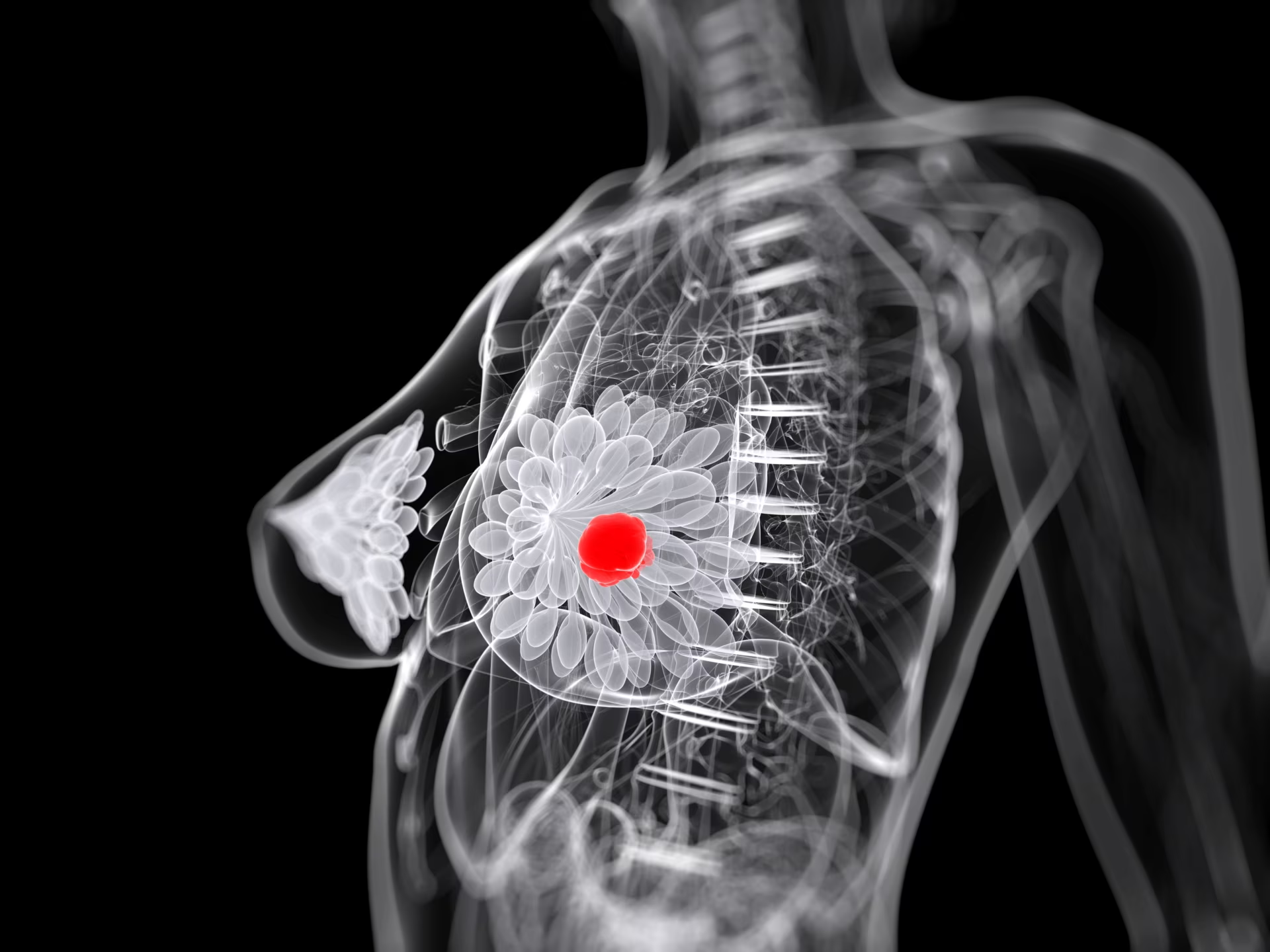
Metastatic triple-negative breast cancer (mTNBC) is a clinically heterogeneous disease, but compared with other breast cancer subtypes, triple-negative breast cancer (TNBC) is generally associated with a poorer prognosis and has historically had limited therapeutic options.1 The 5-year survival rate remains ...
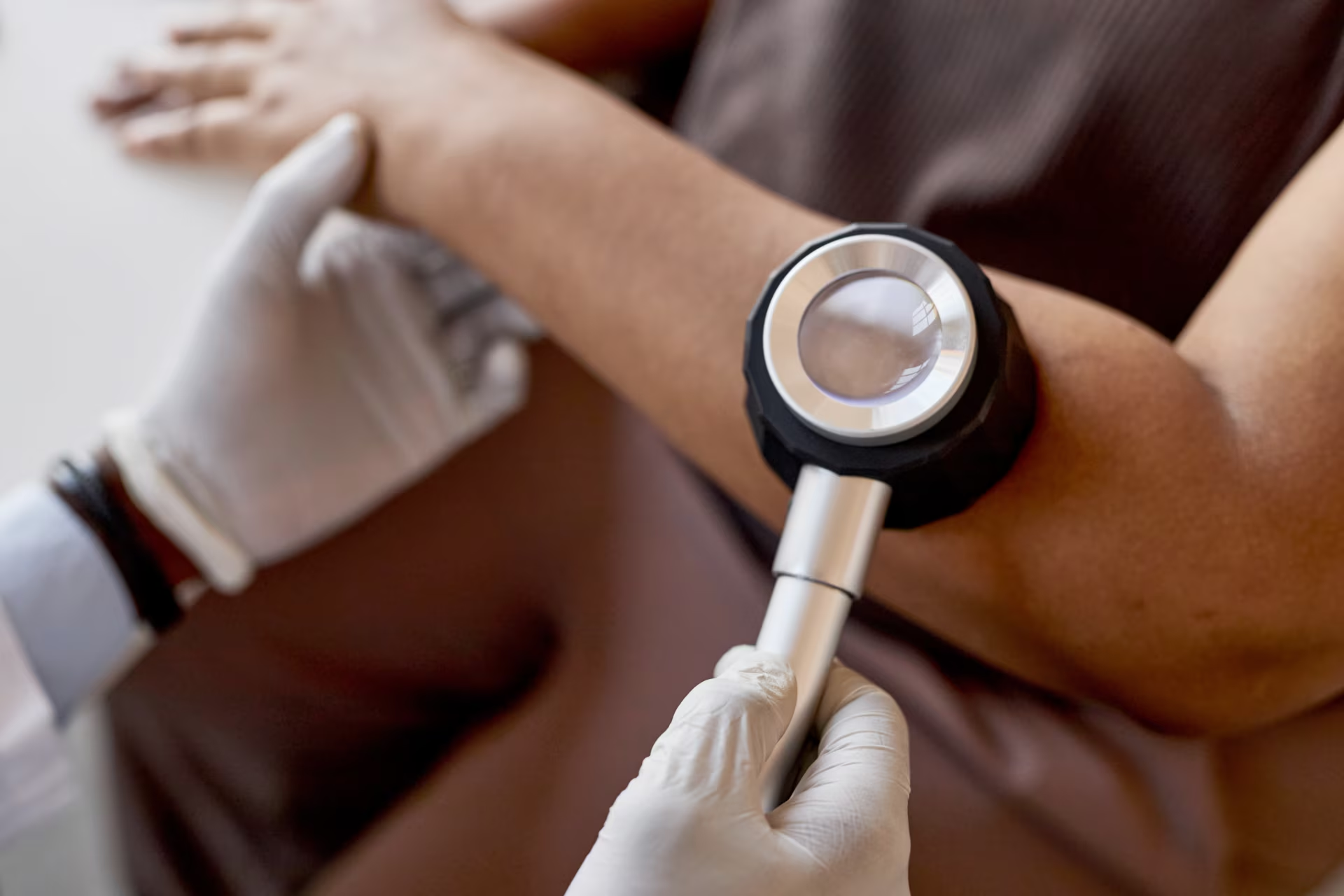
Choosing the appropriate adjuvant therapy in patients with melanoma undergoing neoadjuvant treatment
This article examines current evidence supporting the use of neoadjuvant immunotherapy in patients with resectable macroscopic stage III melanoma and critically discusses the selection of appropriate adjuvant therapy following surgery. It is written in the context of emerging evidence from ...


Patient experience findings from the Phase 2 IZALCO study.

This interactive, patient-focused activity explores key considerations in selecting first-line and subsequent therapies for elderly patients with active CLL.

Want to be featured in touchReviews in Oncology & Haematology?
Share your knowledge, influence clinical practices and enhance patient care in Oncology today!
- Peer-reviewed, free-to-access
- Accepting reviews, research and editorials
- No article processing fees
- Digital features and plain language summaries
- Multichannel content distribution for maximum visibility
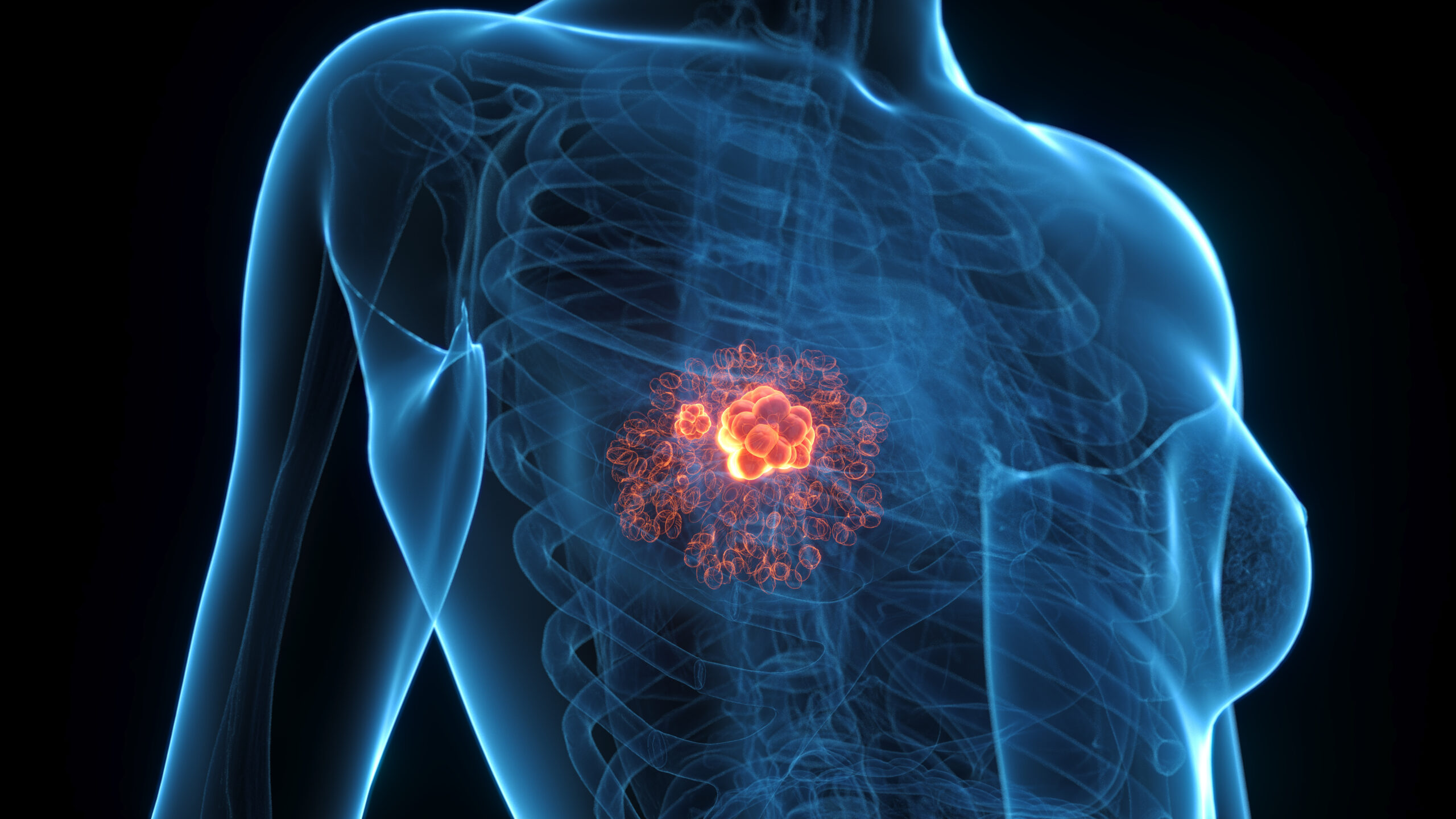
Circulating tumor DNA (ctDNA) has emerged as an innovative and minimally invasive tool in precision oncology. With a short half-life of 30–120 min, ctDNA provides real-time insight into tumor dynamics.1 In early-stage breast cancer, there is growing evidence supporting its potential ...
Your clinical career is shaped not only by what you know, but by who helps you navigate what comes next. Join us for the final episode in our mini-series exploring non-clinical skills that can help you thrive in your clinical career. Today we explore how to develop the right team around you to support your work, and what building that bench can mean for your career, and the life you build alongside it.
This issue of touchREVIEWS in Oncology & Haematology brings together a diverse collection of articles reflecting the growing complexity of cancer care and the continued evolution of precision medicine across tumour types. From rare malignancies and treatment-related challenges to emerging ...
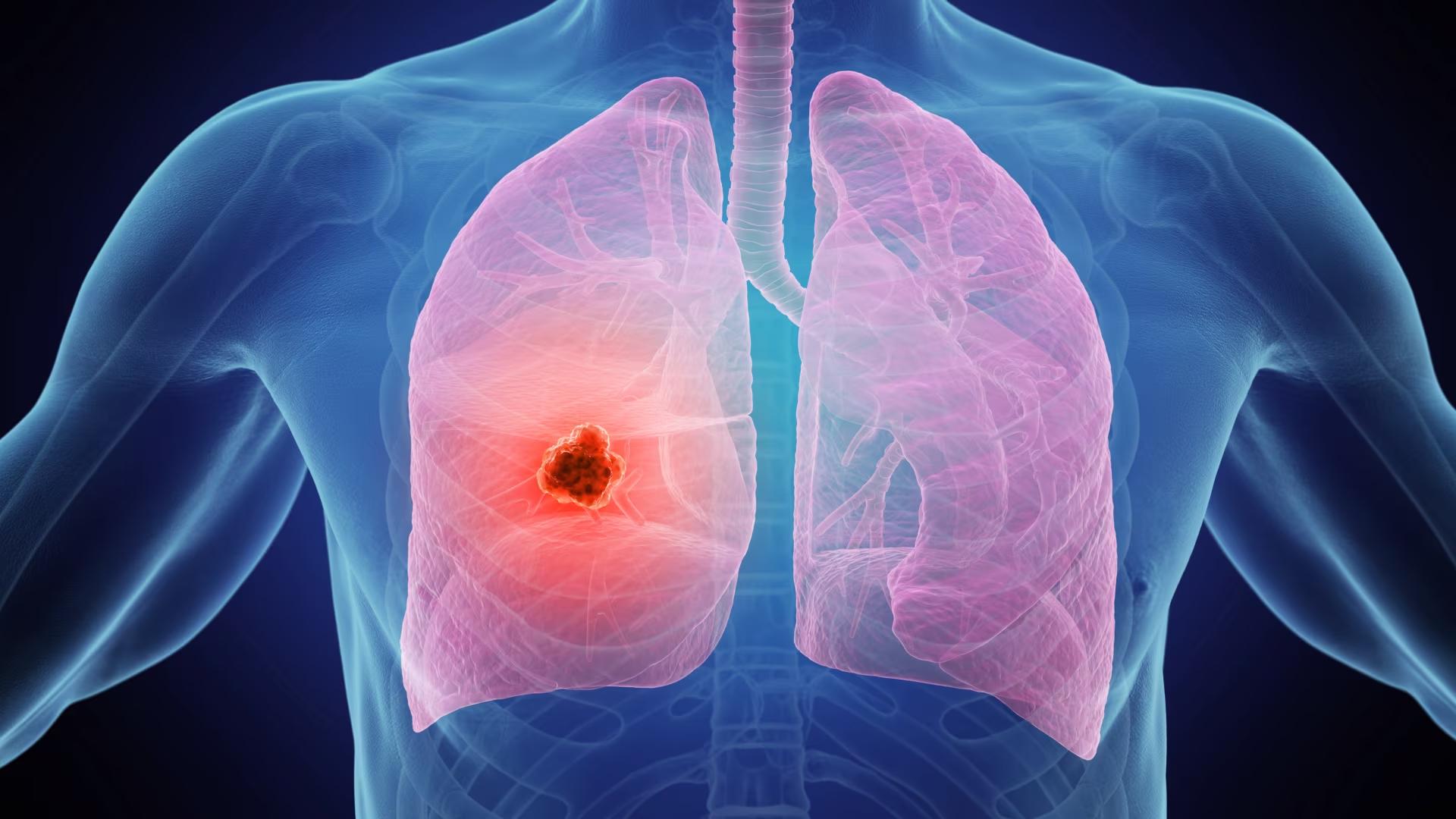
Non-small cell lung cancer (NSCLC) remains the leading cause of cancer-related mortality worldwide.1 Over the past two decades, the molecular characterization of NSCLC has transformed the therapeutic landscape by enabling the development of targeted therapies that have significantly improved outcomes ...

Among glial tumours of the central nervous system (CNS), one of the most devastating is the category of H3K27-altered midline gliomas because of their uniform and rapid mortality, high neurological symptom burden and predilection for paediatric, adolescent and ...

An immunosuppressed person is one whose immune function is impaired by underlying disease and/or immunosuppressive medications, resulting in reduced immunosurveillance against malignant cells and increased vulnerability to opportunistic infections. Longstanding immunosuppression has been linked to increased risk for cutaneous (...

Small bowel adenocarcinoma (SBA) is a rare gastrointestinal malignancy, accounting for about 1–3% of gastrointestinal cancers.1,2 Its reported incidence has increased in recent decades, likely reflecting improved detection by balloon-assisted and capsule endoscopy and the more widespread use of cross-sectional imaging.3,4 ...

We often focus on clinical excellence, but spend less time developing broader skills that could help us better lead with purpose and build more fulfilling, impactful careers. In this episode, part of a mini-series in partnership with LEADderm, Dr Jennifer Soung and Denise Mann explore how clinicians can engage with the media to educate, empower and extend their impact beyond the clinic.

Pancreatic cancer (PC) is the tenth most common cancer in 2024, with 66,440 new cases and 51,570 deaths.1,2 Globally, the prevalence varies from 10/100,000 cases in the Americas and Europe to 0.9/100,000 cases in South Central Asia and most of Africa.3 Currently, it has the ...
Immune checkpoint inhibitors (ICIs) act by blocking inhibitory pathways such as programmed cell death protein 1 (PD-1), programmed cell death ligand 1 (PD-L1) and cytotoxic T lymphocyte-associated antigen 4 (CTLA-4), thereby restoring T-cell activity and promoting tumour cell destruction.1,2 The ability of tumours ...

Whether you’re working in an agency, in a clinical role, or in academia, many healthcare professionals wonder what lies behind the doors of the pharmaceutical industry. In this episode, Gina is joined by Sian Kneller, Director of Global Content Design at GSK and Founder of The Agency Advantage, to unpack exactly what it takes to make the leap. With over 20 years’ experience, from medical writer to leading global medical affairs strategy, Sian now helps others make a successful move into pharma. In this episode she shares what the transition really looks like, which transferable skills matter most, and how you can stand out in a competitive field.


These infographics review CLL management, from initial diagnosis and staging through treatment initiation and discontinuation, and assessment of patient risks.


This interactive patient case simulation is designed to support risk stratification and treatment decision-making in HR+, HER2− early breast cancer (EBC).
Editorial Board
Introducing the Editorial Board of touchREVIEWS in Oncology & Haematology, who support our mission to advance medical knowledge and practice by ensuring the integrity, relevance, and impact of the content we publish. Together, we strive to foster a vibrant academic community and contribute to the continuous improvement of healthcare worldwide.
Axel Merseburger
University Hospital Schleswig-Holstein, Lübeck, Germany
Genitourinary Cancers
Biography
Prof. Dr. med. Axel Stuart Merseburger is a highly experienced urologist with over 21 years of practice. He works at the Department of Urology at the University Hospital Schleswig-Holstein in Lubeck, Germany and specializes in urology and robotic surgery. Dr Merseburger is considered an expert in his field with a wide range of qualifications and achievements. Having studied medicine at top institutions such as the Hannover Medical School and the Harvard Medical School, Dr Merseburger has gained extensive knowledge and expertise. He has completed various fellowships and training, including a scholarship at the Uniformed Services University in Washington and a fellowship at the Henry M Jackson Foundation Center for Prostate Disease Research. Dr Merseburger has published 442 scientific publications, demonstrating his dedication to research and innovation. He has received numerous awards and prizes, including the Werner Staehler Memorial and Urologia Internationalis prizes. With his wealth of experience and expertise, Dr Merseburger is known for his contributions to the field of urology. He is highly regarded for his skills in robotic surgery and his focus on prostate cancer. His dedication to improving patient outcomes and advancing the field of urology makes him a highly respected and trusted doctor. Overall, Prof. Dr. med. Axel Stuart Merseburger is an accomplished urologist who brings knowledge and expertise to his practice. His dedication to research, innovative treatments and patient care makes him a valuable asset to the medical community.
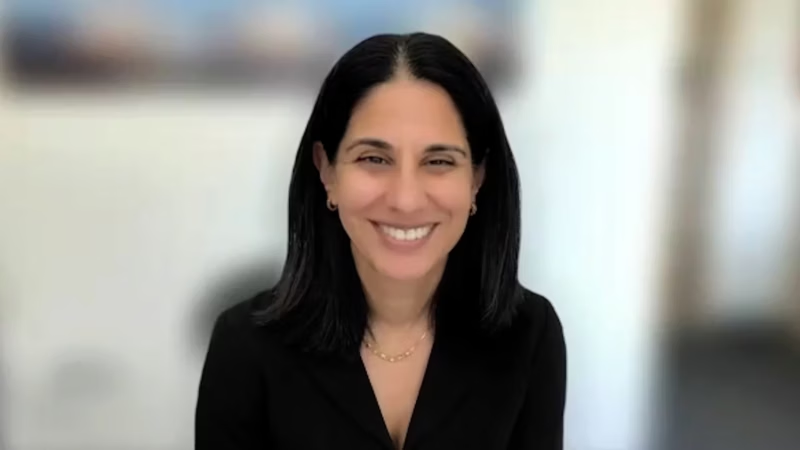
Sara M Tolaney
Section Editor

Sara M Tolaney
Dana-Farber Cancer Institute, Boston, MA, USA
Breast Cancer
Biography
Dr. Tolaney is Chief of the Division of Breast Oncology at Dana-Farber Cancer Institute, and Associate Professor of Medicine at Harvard Medical School. She is a breast medical oncologist whose research focuses on the development of novel therapies in the treatment of breast cancer. She has been instrumental in developing several treatment approaches for breast cancer, including approaches focused on tailoring therapy for early stage HER2+ disease, use of cdk 4/6 inhibitors, antibody drug conjugates, and immunotherapy. She is a member of the National Cancer Institute Breast Cancer Steering Committee and is Vice Chair for Late-Stage Development in Breast Cancer in the Alliance for Clinical Trials in Oncology. Her research has been funded by the Breast Cancer Research Foundation and Susan G. Komen. She currently chairs multiple phase 3 trials in breast cancer and serves on several steering committees for practice-changing trials. Her work has been published in journals such as the New England Journal of Medicine, Lancet, Lancet Oncology, Journal of Clinical Oncology, and others. She received her undergraduate degree from Princeton University in 1998 and her medical degree from UC San Francisco in 2002. She subsequently completed her residency in Internal Medicine at Johns Hopkins University, and fellowships in hematology and medical oncology at Dana-Farber Cancer Institute. She obtained a Masters in Public Health from the Harvard School of Public Health in 2007.
Axel Merseburger
Editor-in-Chief

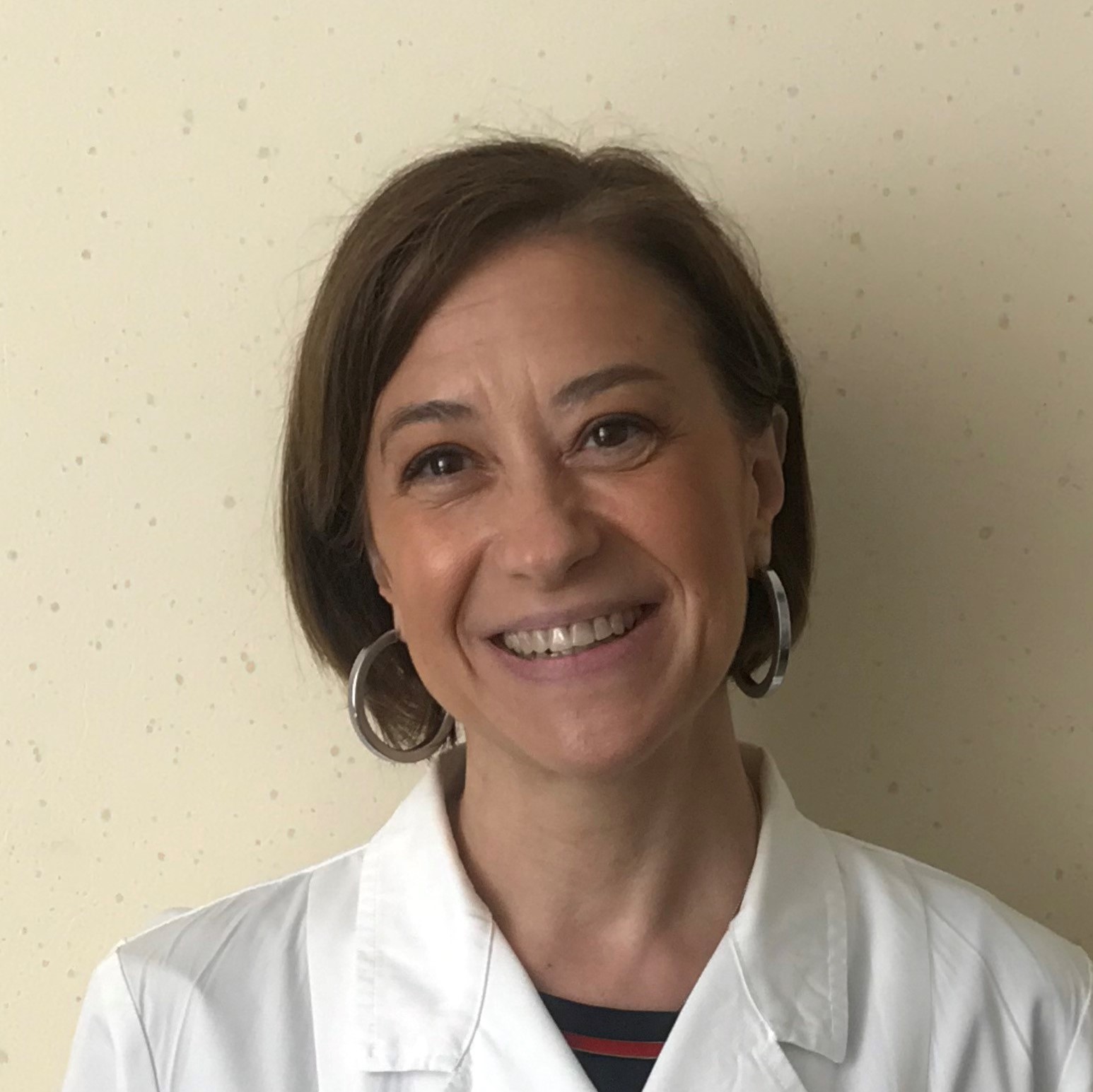
Domenica Lorusso
Section Editor
Domenica Lorusso
Humanitas Hospital San Pio X, Milan, Italy
Gynaecological Cancers
Biography
Domenica Lorusso, MD, PhD, is Director of Gynaecological Oncology Unit at Humanitas Hospital San Pio X, Milan, and Full Professor of Obstetrics and Gynaecology, Humanitas University, Rozzano, Milan. Prof. Lorusso has been involved in gynecological oncology research for more than 25 years and has conducted or participated in approximately 250 phase I-IV clinical trials in gynecological malignancies. At present she is Principal Investigators of more than 60 studies.
Prof. Lorusso is responsible for the Clinical Trials Committee of the MITO (Multicenter Italian Trials in Ovarian Cancer and Gynaecological Malignancies) Group, which includes more than 150 Italian centers involved in gynecological oncology research. She is a member of the Board of Directors of Gynaecological Cancer Intergroup including 23 international research groups involved in the promotion and conduction of high-quality clinical trials to improve outcomes for women with gynecological cancers. Prof. Lorusso is also an active member of ENGOT (European Network of Gynaecological Oncological Trial groups), an international organization which coordinates and promotes clinical trials within Europe for patients with gynecological cancers where she chairs the Gynecological Cancer Academy. She is a member of the Board of Director of the European Society of Gynecological Oncology (ESGO). She has also co-authored about 300 international oncology publications. She is author of national and international guidelines on treatment of ovarian, cervical and endometrial cancer.
Prof. Lorusso’s key goals are to ensure best treatment to all patients and promote the clinical research, international trial collaborations and educations.
Sara M Tolaney
Section Editor

Matti S Aapro
Section Editor
Matti S Aapro
Multidisciplinary Oncology Institute, Genolier, Switzerland
Supportive Cancer Care
Biography
Dr Aapro coordinates the Sharing Progress in Cancer Care (SPCC) program of the European School of Oncology (ESO) and serves the International Society for Geriatric Oncology (SIOG) as an Executive Board member. He has been a member of the board of the European Organization for Research and Treatment of Cancer (EORTC) and of the European Society of Medical Oncology (ESMO). He is Past President of the Multinational Association for Supportive Care in Cancer (MASCC), and is now on its Board of Directors for 2012 to 2014.
Dr Aapro is Editor-in-Chief of Critical Reviews in Oncology/Hematology, Associate Editor for the geriatric section of the Oncologist, and is Founding Editor of the Journal of Geriatric Oncology, and was Associate Editor for Annals of Oncology. He has authored more than 250 publications and his major interests are new drug development, breast cancer, supportive care, and cancer in the elderly.
Dr Aapro received the 2012 ASCO BJ Kennedy prize.
Domenica Lorusso
Section Editor
Axel Merseburger
Editor-in-Chief

 touchONCOLOGY
Register Now!
Explore the latest in medical education and stay current in your field. Create a free account to track your learning.
- Save your progress for video
- Keep track of your CME credits
- Add personalised learning notes
- Receive updates from course leaders and faculty
- Be the first to hear about new and exciting interactive learning opportunities
Log into your Touch Account
Keep track of your clinical interests and newsletter subscriptions.
Sign up with an Email
Or use a .
Register now for FREE access
Already registered? Login below.